The ocean is home to some of the most extraordinary creatures on Earth. While many are fascinating and beautiful, others carry a darker side. These creatures may not always be the biggest in the sea, but they are among the most dangerous to humans due to their venom, aggression, or sheer power. In this article, we’ll explore 10 of the deadliest sea creatures you should know about.
1. Box Jellyfish
- Age: Usually 1 year (short lifespan)
- Weight: Less than 2 kg
- Length: Tentacles up to 3 meters (~10 ft)
- Danger Level: Extremely deadly; venom can kill within minutes
- Habitat: Northern Australia, Indo-Pacific
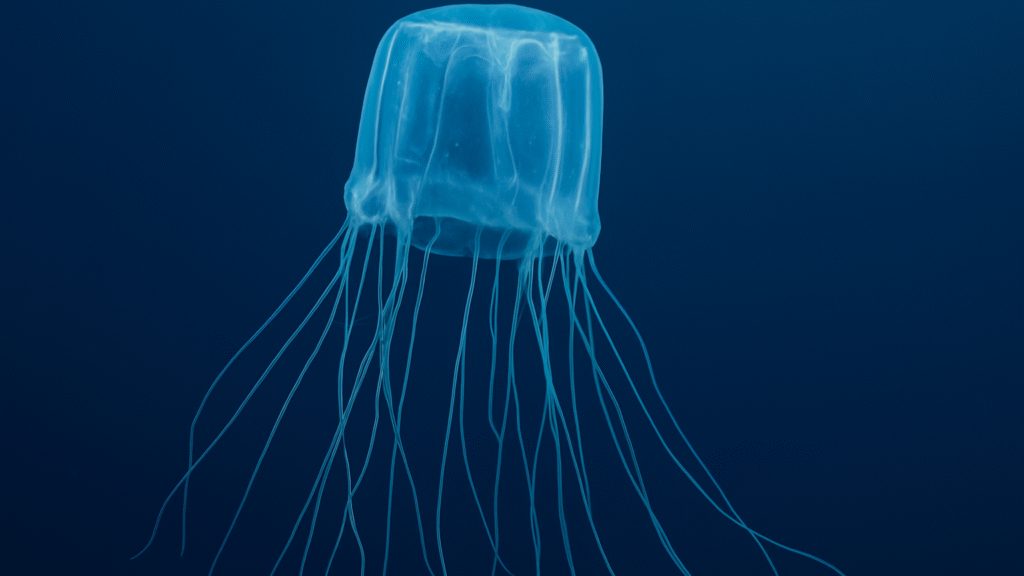
The box jellyfish looks almost invisible in the water, which is what makes it so dangerous. Its long tentacles are armed with stinging cells that release venom strong enough to cause paralysis, cardiac arrest, and death within few minutes. Swimmers often don’t realize they’ve been stung until the severe pain sets in. In regions like Northern Australia, these jellyfish are taken so seriously that local beaches have special nets and medical stations to prevent fatalities.
2. Sea Snakes
- Age: 10–15 years
- Weight: 1–3 kg
- Length: 1–2 meters (3–6 ft)
- Danger Level: Highly venomous; a bite can be fatal
- Habitat: Warm coastal waters of the Indian and Pacific Oceans
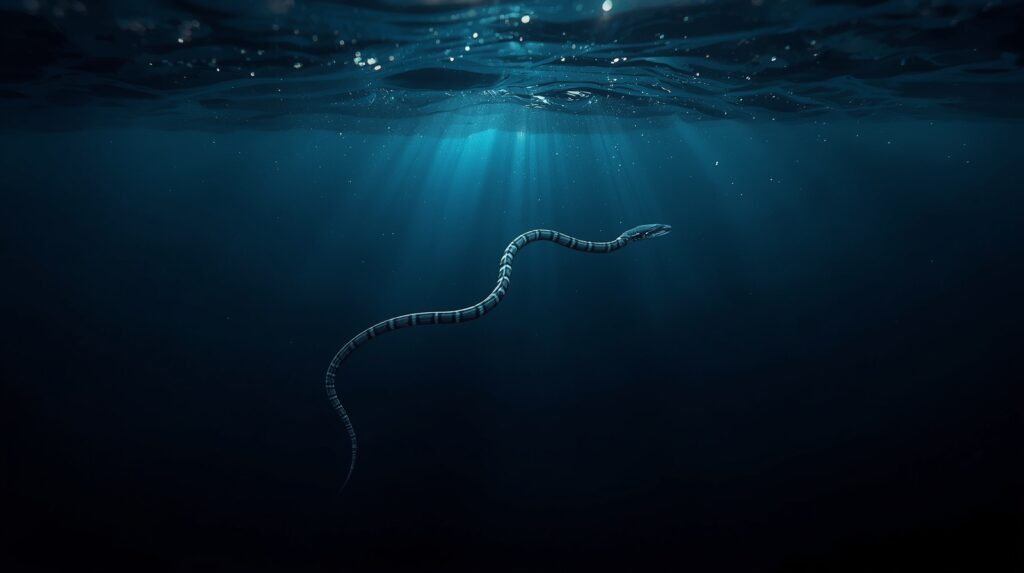
Sea snakes are elegant and generally shy creatures. They don’t usually seek out humans, but their venom is among the most toxic in the animal kingdom — up to eight times stronger than a cobra’s. Thankfully, bites are rare, and most snakes prefer to slip away when disturbed. Still, divers and fishermen must remain cautious, because even a single accidental bite can kill anyone if not treated quickly.
3. Stonefish
- Age: 5–10 years
- Weight: Around 2 kg
- Length: 30–40 cm (1–1.3 ft)
- Danger Level: The most venomous fish in the world
- Habitat: Shallow coastal waters, coral reefs of Indo-Pacific
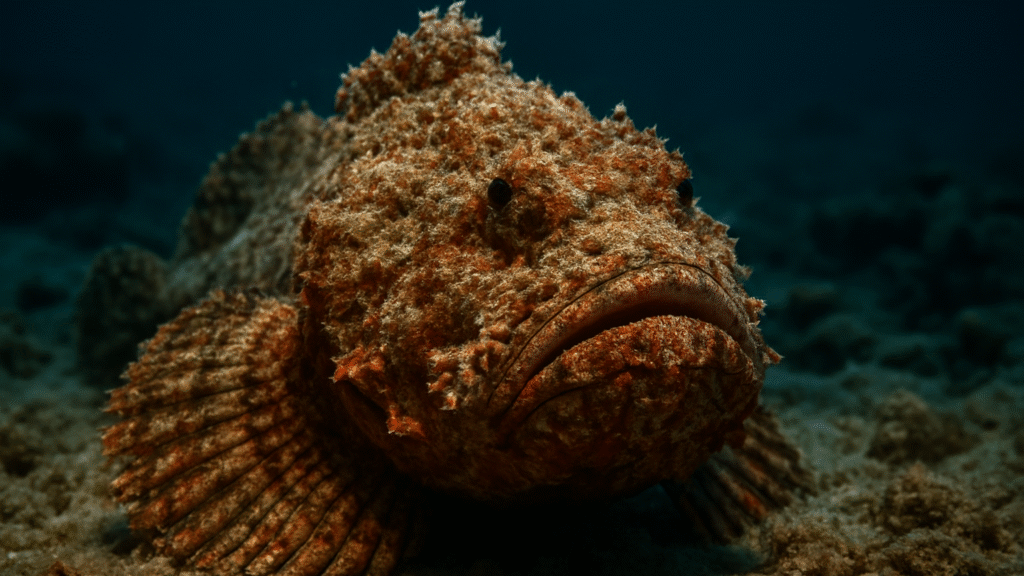
Stonefish are experts of disguise, blending perfectly into rocky seabeds and coral. The danger lies not in aggression, but in accidents — swimmers or divers often step on them, unaware of what hides under it. When this happens, the fish’s sharp spines inject venom that causes excruciating pain, swelling, and sometimes even paralysis or death. Their camouflage is their most powerful ability which makes them almost impossible to spot, which is why protective footwear is a must in shallow tropical waters.
4. Great White Shark
- Age: 30–70 years
- Weight: 680–1,100 kg
- Length: 4–6 meters (13–20 ft)
- Danger Level: High; responsible for most unprovoked shark attacks
- Habitat: All major oceans, especially coastal temperate waters
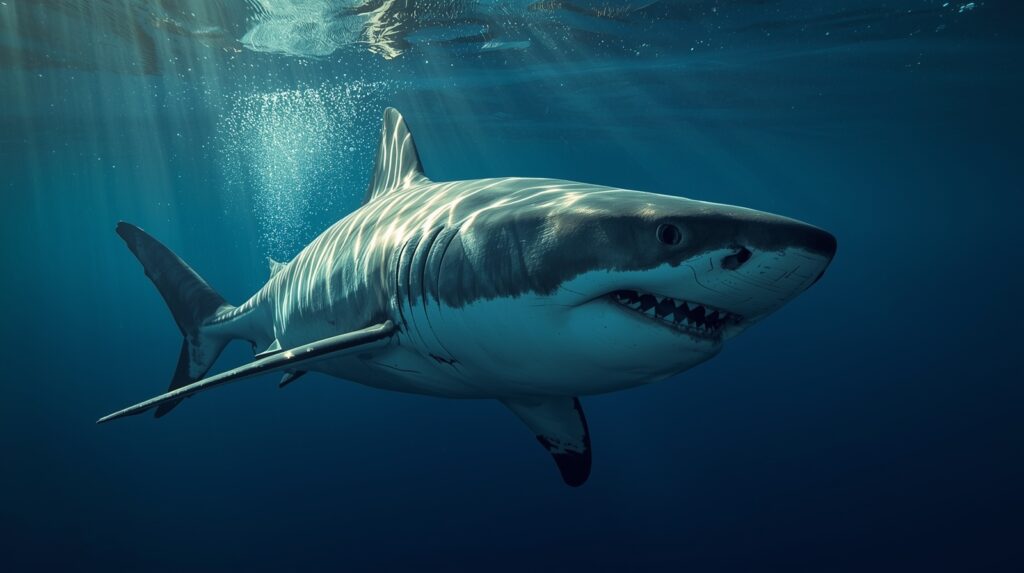
The great white shark is perhaps the most famous predator of the sea. With its massive size, speed, and powerful jaws, it inspires both awe and fear. While responsible for the most unprovoked shark attacks on humans, experts believe most of these encounters are exploratory — the shark is investigating, not hunting but you never know this. And when an animal of this size and strength “tests” something with its teeth, the results can be devastating.
5. Blue-Ringed Octopus
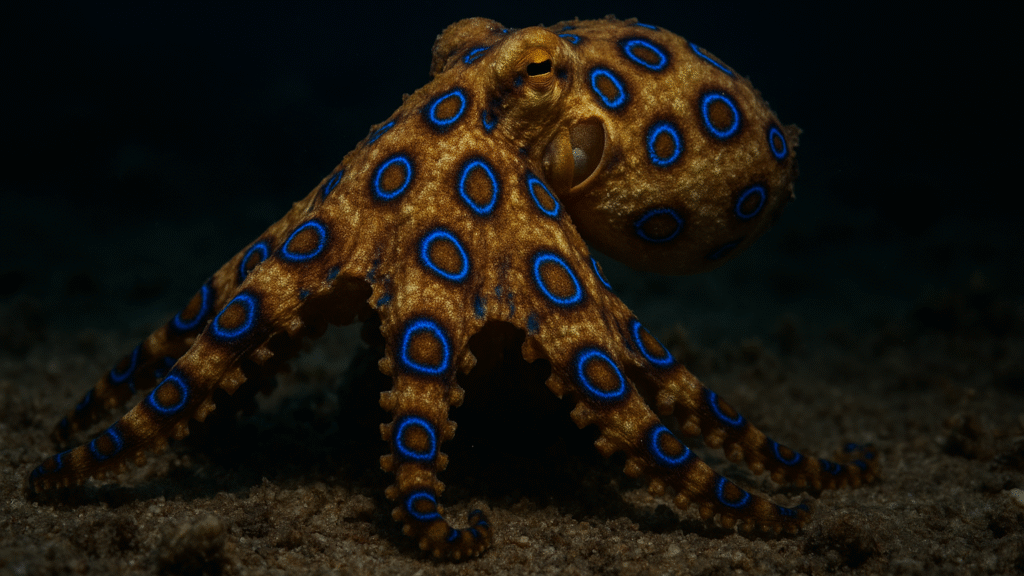
- Age: 2 years
- Weight: About 20 g
- Length: 12–20 cm (5–8 in)
- Danger Level: Extremely venomous; no antidote available
- Habitat: Pacific and Indian Oceans, especially around Australia
Tiny yet terrifying, the blue-ringed octopus is one of the most poisonous creatures in the sea. Its glowing blue rings are a natural warning sign. The venom contains tetrodotoxin, a powerful neurotoxin that can paralyze and kill within minutes. What makes it particularly dangerous is its size — small enough to be picked up accidentally by curious divers. Despite its delicate appearance, this little octopus is a true killer of the ocean.
6. Pufferfish (Fugu)
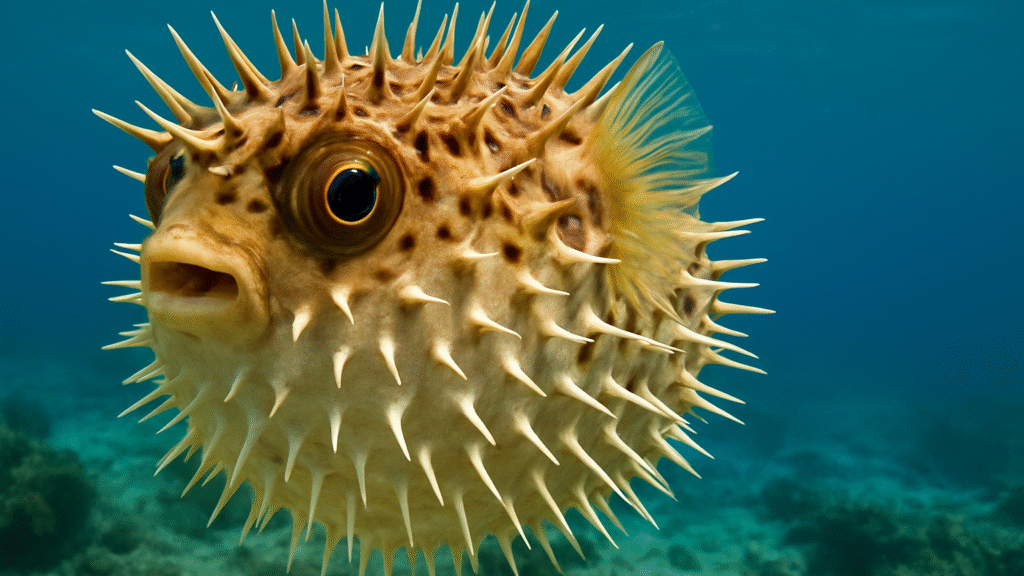
- Age: 10 years
- Weight: 0.5–2 kg
- Length: 15–45 cm (6–18 in)
- Danger Level: Deadly; tetrodotoxin can kill dozens
- Habitat: Worldwide, mostly tropical and subtropical waters
Pufferfish are often seen as cute and comical because of their ability to puff up when threatened. However, they are also incredibly dangerous. Their organs contain tetrodotoxin, which is lethal even in very small amounts. In Japan, pufferfish are served as the delicacy fugu, but only chefs with years of training are allowed to prepare it safely. Outside of controlled preparation, this fish is far too risky to eat.
7. Tiger Shark
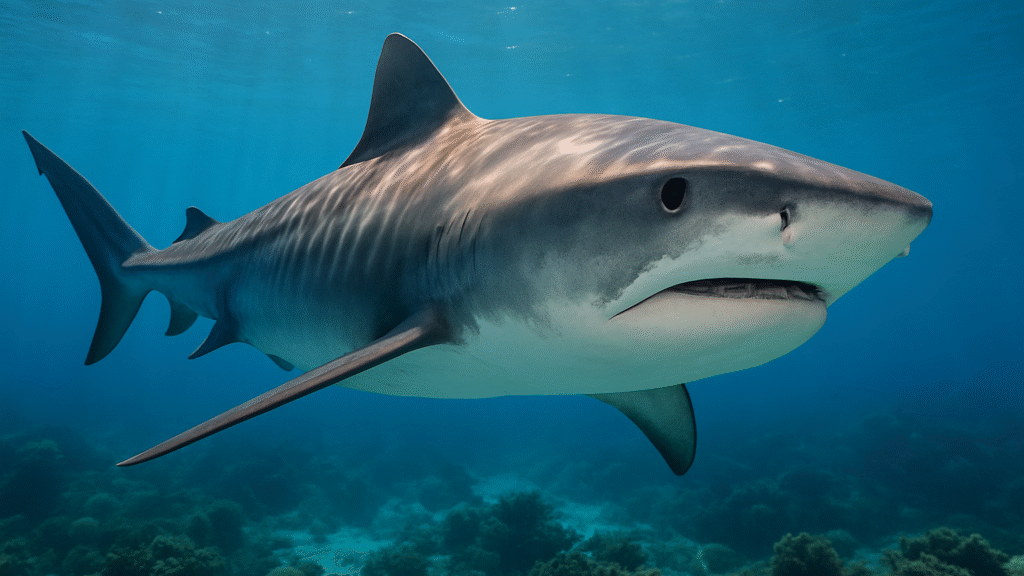
- Age: 20–30 years
- Weight: 385–635 kg
- Length: 3–4.5 meters (10–15 ft)
- Danger Level: High; aggressive and unpredictable
- Habitat: Tropical and subtropical oceans
Known as the “garbage can of the sea,” the tiger shark is an opportunistic feeder that will eat almost anything — from fish and birds to turtles and even man-made debris. This lack of selectivity, combined with its aggressive nature, makes it dangerous to humans. Unlike great whites, which often attack out of curiosity, tiger sharks are less hesitant and more likely to strike. For swimmers and surfers, encountering one of these powerful predators is a serious threat.
8. Lionfish
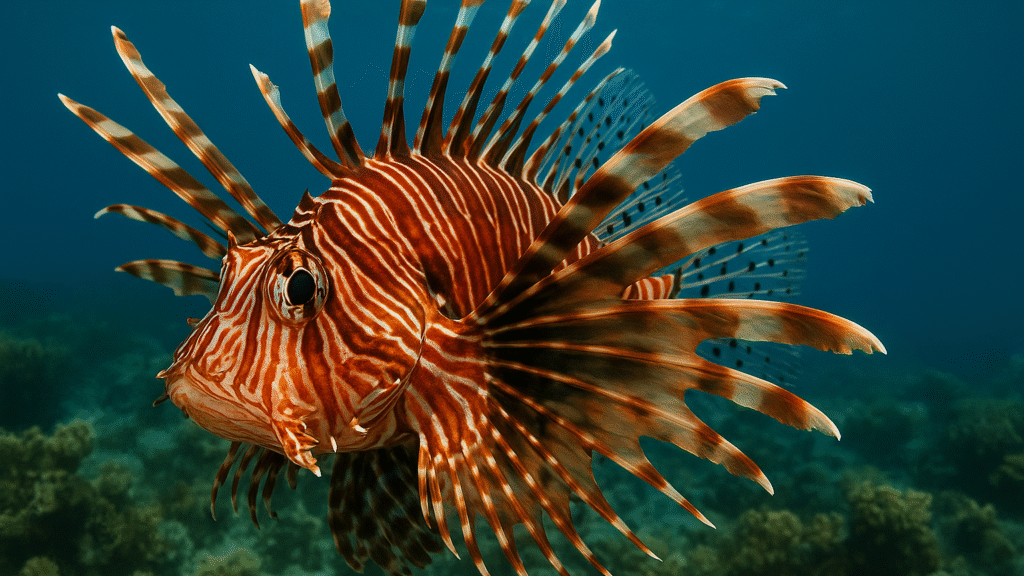
- Age: 10–15 years
- Weight: About 0.9 kg
- Length: Up to 38 cm (15 in)
- Danger Level: Venomous spines; painful and dangerous sting
- Habitat: Indo-Pacific (invasive in Atlantic & Caribbean)
The lionfish is one of the most strikingly beautiful fish in the ocean, with bold stripes and flowing fins. Yet, hidden within its spines is venom that can cause intense pain, swelling, nausea, and even breathing difficulties. Though not usually fatal, its sting is serious enough to send victims to the hospital. Adding to its notoriety, the lionfish has become an invasive species in some parts of the world, where it disrupts local ecosystems and poses a threat to native fish.
9. Bull Shark
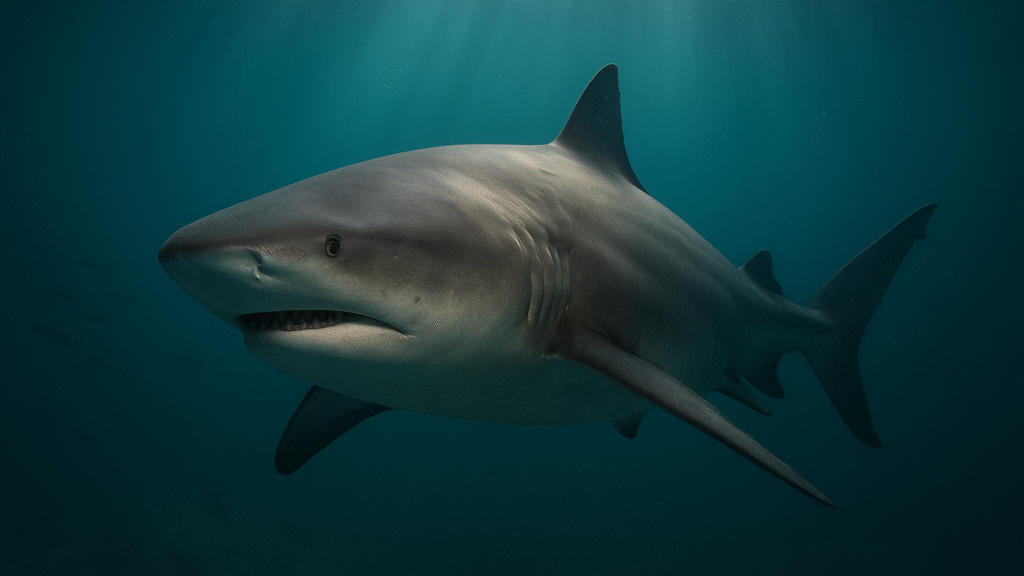
- Age: 12–16 years
- Weight: 200–500 kg
- Length: 2.5–3.5 meters (8–11 ft)
- Danger Level: Extremely aggressive; many near-shore attacks
- Habitat: Coastal waters, rivers, and even freshwater
Bull sharks are unique among sharks for their ability to survive in both saltwater and freshwater. This adaptability allows them to travel far inland through rivers, making them a surprising danger even away from the ocean. They are highly aggressive, territorial, and often hunt in murky waters, where visibility is poor. These qualities make bull sharks responsible for many attacks on humans, particularly in near-shore areas where people frequently swim.
10. Cone Snail
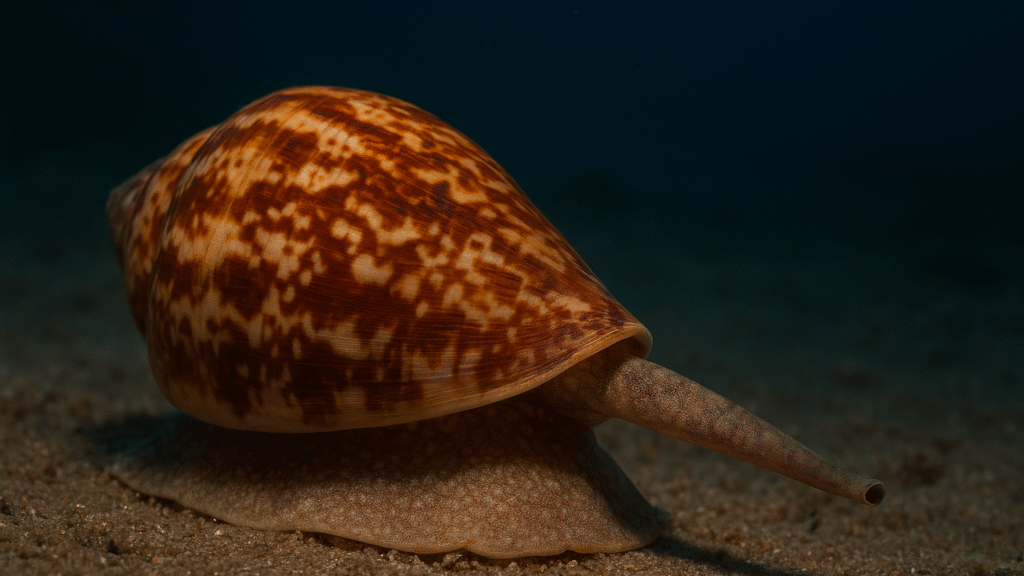
- Age: 3–5 years
- Weight: Light, delicate shell
- Length: 5–10 cm (2–4 in)
- Danger Level: Deadly venom; no antivenom available
- Habitat: Warm tropical waters, coral reefs, and shallow areas
At first glance, cone snails appear harmless, with their beautifully patterned shells often collected as souvenirs. But inside lies one of the deadliest weapons in the sea. Using a harpoon-like tooth, they inject venom that can paralyze and kill a human in minutes. Some species are so toxic they’ve earned the nickname “cigarette snail,” because after being stung, you may only have time for one last smoke. They are small, silent, and incredibly dangerous.
🌐 Final Thoughts
The ocean is full of wonders, but it’s also home to creatures that remind us of nature’s incredible power. Each animal on this list is dangerous in its own way — whether through venom, aggression, or stealth. While they should be respected and avoided in the wild, they also play important roles in their ecosystems. By learning about them, we not only stay safe but also deepen our appreciation for the complex and fascinating world beneath the waves.